Study of 70+ Conservation Successes Finds a Common Thread: Local Communities
University of Sydney researchers pulled together "bright spots" from reefs to rainforests and found the same three ingredients behind each win.
Conservation news often reads as a list of losses, but a new study led by the University of Sydney looks at what is going right. Researchers reviewed more than 70 studies of environmental and sustainability success, known as "bright spots," and found they share a recipe. The paper, by Dr Bing Lin and Professor Josh Cinner of the university's Thriving Oceans Research Hub, appeared in *Nature Ecology & Evolution* and was announced on 7 October 2026.
Three shared ingredients
According to the university, successful cases tended to have these things in common:
- Local knowledge valued alongside science.
- Communities at the centre of decision-making.
- Management that adapts to local social and environmental conditions.
The team says it is the first review to combine these separate bright spots into one framework. They describe success as arising from "a positive interplay of process, people and place," in Dr Lin's words.
Examples from around the world
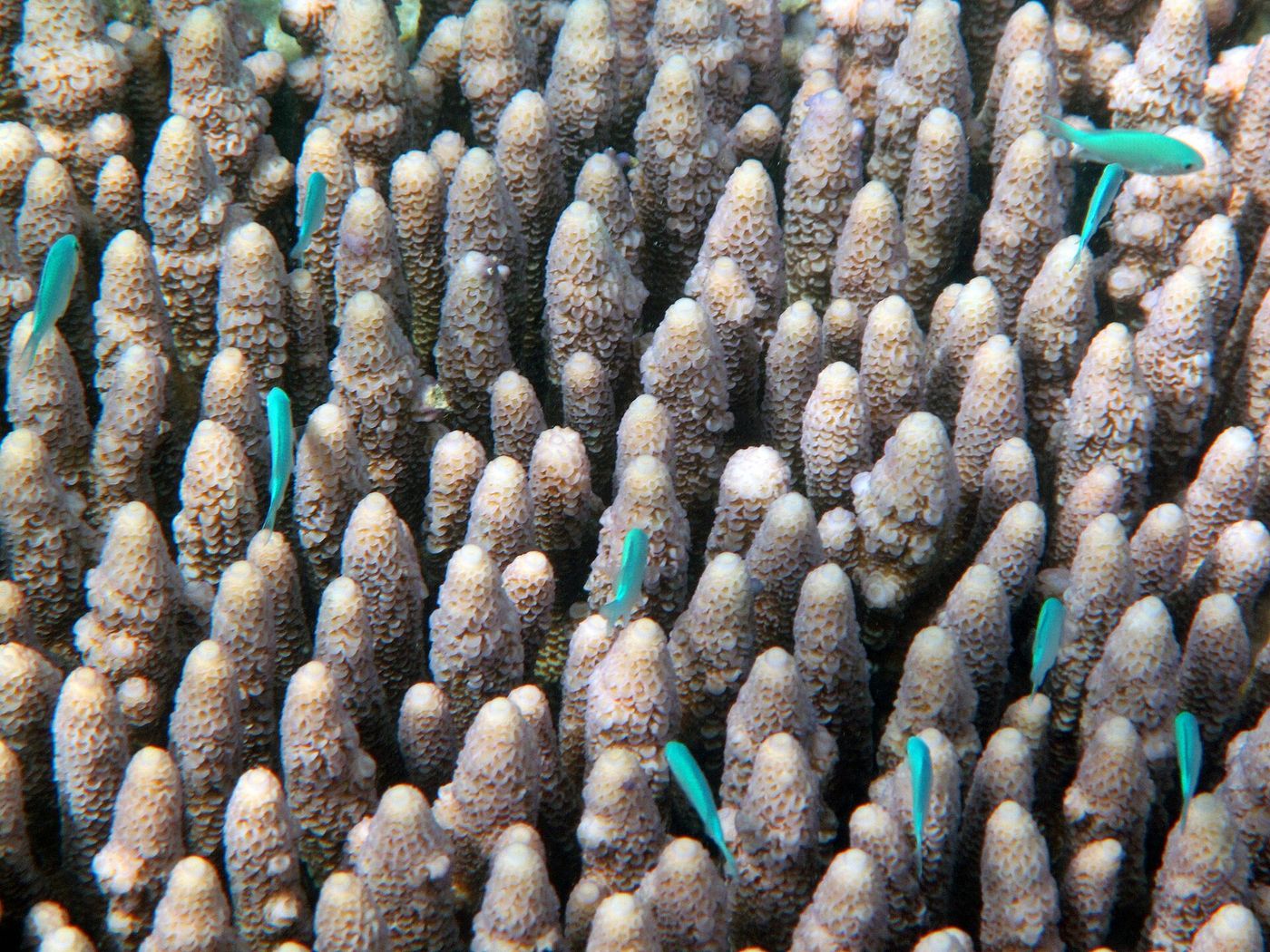
- Papua New Guinea: Villages periodically close reef areas to fishing, much like leaving a field fallow. The practice lasts because it is woven into community life.
- West Africa: Some western chimpanzee populations survive despite wider declines, often where communities uphold norms that discourage hunting.
- Canada: In the Great Bear Rainforest, First Nations communities lead conservation of grizzly bears.
- Tasmania: Scientists, wildlife managers and policymakers worked together on measures that protect shy albatross chicks from parasites.
Why it matters
Professor Cinner called the findings "a story of hope and connection." The work does not claim that every conservation problem has been solved, and the cases it covers are ones that beat expectations. But it offers a practical message for funders and governments: involving the people who live alongside nature can be as important as the science itself.
The research was funded by the Australian Research Council and the National Geographic Society.