New Study Suggests Van Gogh's "Starry Night" Shows a Real Sky Over Saint-Rémy in July 1889
Researchers say the painting's crescent moon, Venus and star cluster match the pre-dawn view of 22 July 1889.
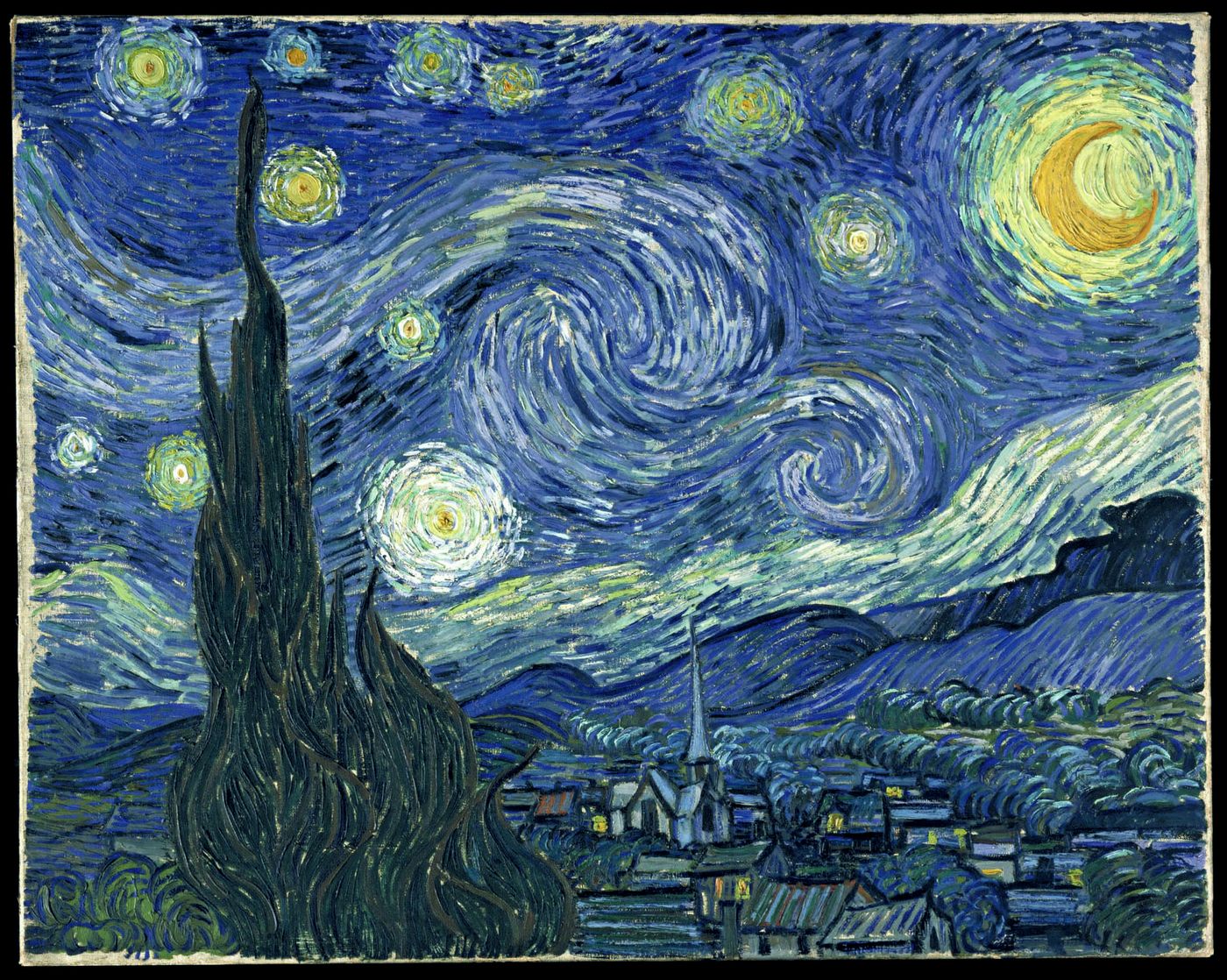
Photo: Vincent van Gogh / Public domain via Wikimedia Commons
Vincent van Gogh's *The Starry Night* may be a faithful record of a real morning sky, according to a study published on 22 October 2026 in *Scientific Reports*. Researchers from South Korea's Kyung Hee University School of Space Research and the space-science company SLLAB say the painting matches the pre-dawn view over Saint-Rémy-de-Provence around 22 July 1889.
What the team found
- On that date a waning crescent Moon, Venus and the Hyades cluster in Taurus appeared close together in the sky.
- Shape analysis matched the five central stars in the painting to the Hyades, with an even closer match in a pen drawing Van Gogh made afterward.
- The painting is usually dated from a letter written around 18 June 1889, but the Moon at that time was a waning gibbous, not the slender crescent shown.
The authors, led by Elijah Jeong-hyun Kim, also used letters, weather records and Van Gogh's remarks about cicadas to propose that his seizure that summer began in late July rather than June. They suggest the stars in *Café Terrace at Night* (1888) may be the Summer Triangle.
Why it matters
Earlier astronomical readings reached conflicting conclusions and left the idea that the sky was pure imagination largely intact. The new work argues that even in one of art's most famous dreamlike scenes, Van Gogh was painting what he observed.
Context
The lead author is chief executive of SLLAB, and the paper notes the company may pursue commercial activities based on the work. The dating of the painting and the timing of the seizure are the authors' proposals and may be debated by art historians.