Sheffield Scientist Recreates the Roman Glass That Changes Color Under Light
After 1,600 years, a University of Sheffield team has reproduced the dichroic effect of the famed Lycurgus Cup using only ingredients the Romans had.
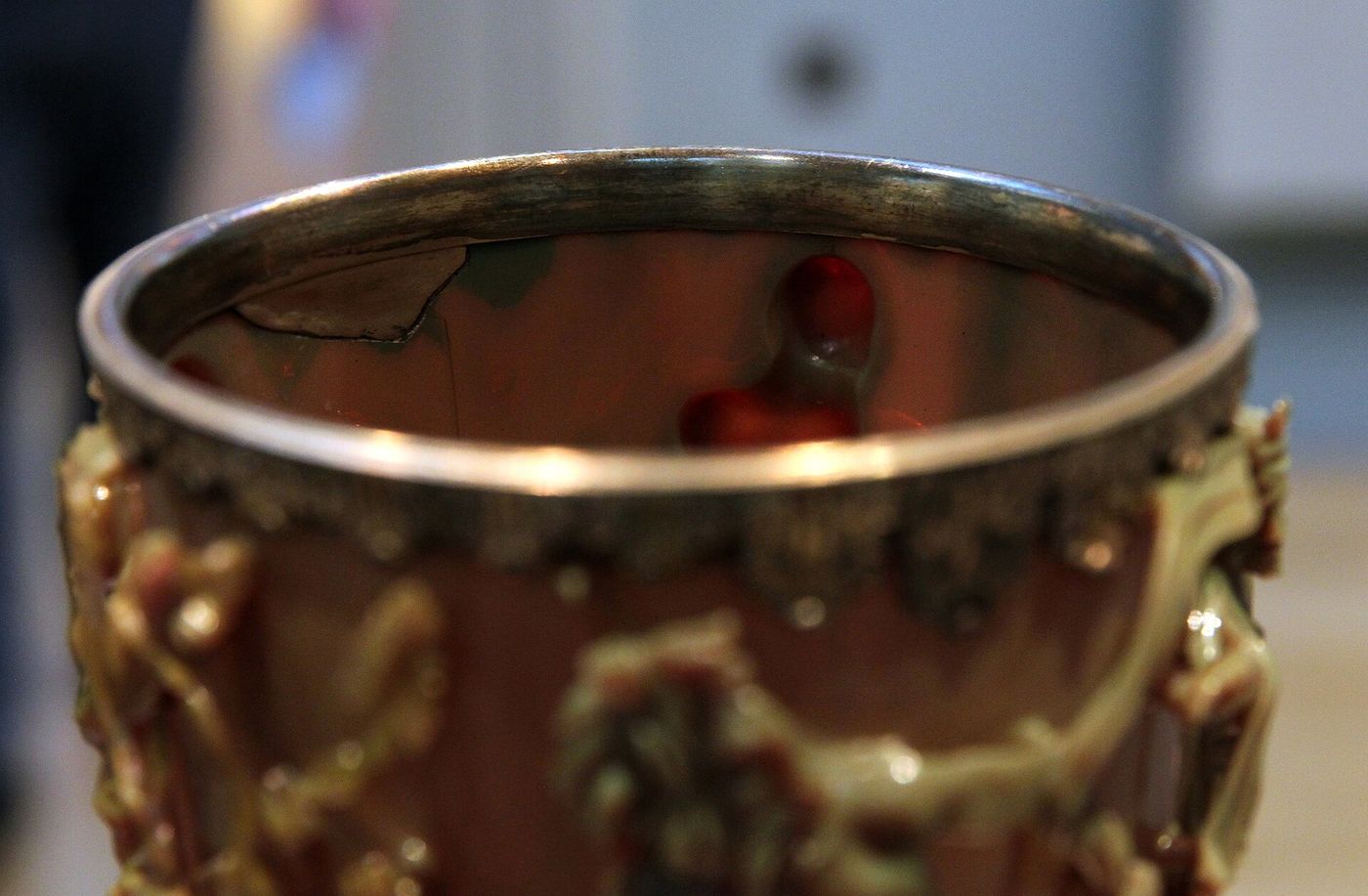
Photo: Vassil / CC0 via Wikimedia Commons
Researchers at the University of Sheffield have recreated the color-changing glass of the Lycurgus Cup, a fourth-century Roman chalice held at the British Museum, reported Smithsonian Magazine on October 28. The cup looks green when light bounces off it and glows red when light shines through.
How they did it
The effect comes from tiny particles of silver and gold mixed into the glass, which block some colors and scatter others. Lisa Hollands, a glass technical specialist at Sheffield, led the work with Roman glass archaeologist Caroline Jackson.
The team first built a base glass resembling Roman glass from modern materials. Hollands then varied furnaces, oxygen levels and ingredients until she found a recipe that reliably produced the effect using only materials available to Roman craftspeople.
- Different from NASA's version: dichroic glass made in the 1960s used thin metal coatings, while this method mixes the metals into the glass itself
- Hard to control: color depended heavily on where the glass sat in the furnace
Ian Freestone of University College London, who was not part of the team, said the Romans likely got lucky with the original cup, and called Hollands' version "more ambitious and more precise" than the 1960s work.
Art and applications
British glass artist Elliot Walker used the new glass in a sculpture that places a cup where the globe sits in the Farnese Atlas. It will debut at Sheffield's Festival of the Mind, then go on permanent display at the university's Turner Museum of Glass.
Smithsonian notes the research could inform work on photonic materials and on vitrification, a method of storing radioactive waste in glass. Those uses are possibilities rather than demonstrated results, but the project shows how a 1,600-year-old puzzle can still teach modern materials science.