Newborn Deaths in Flint Halved After Cash Payments to Expecting Families, Study Finds
Michigan State researchers link the Rx Kids program to a drop in neonatal mortality, though the study is early and observational.
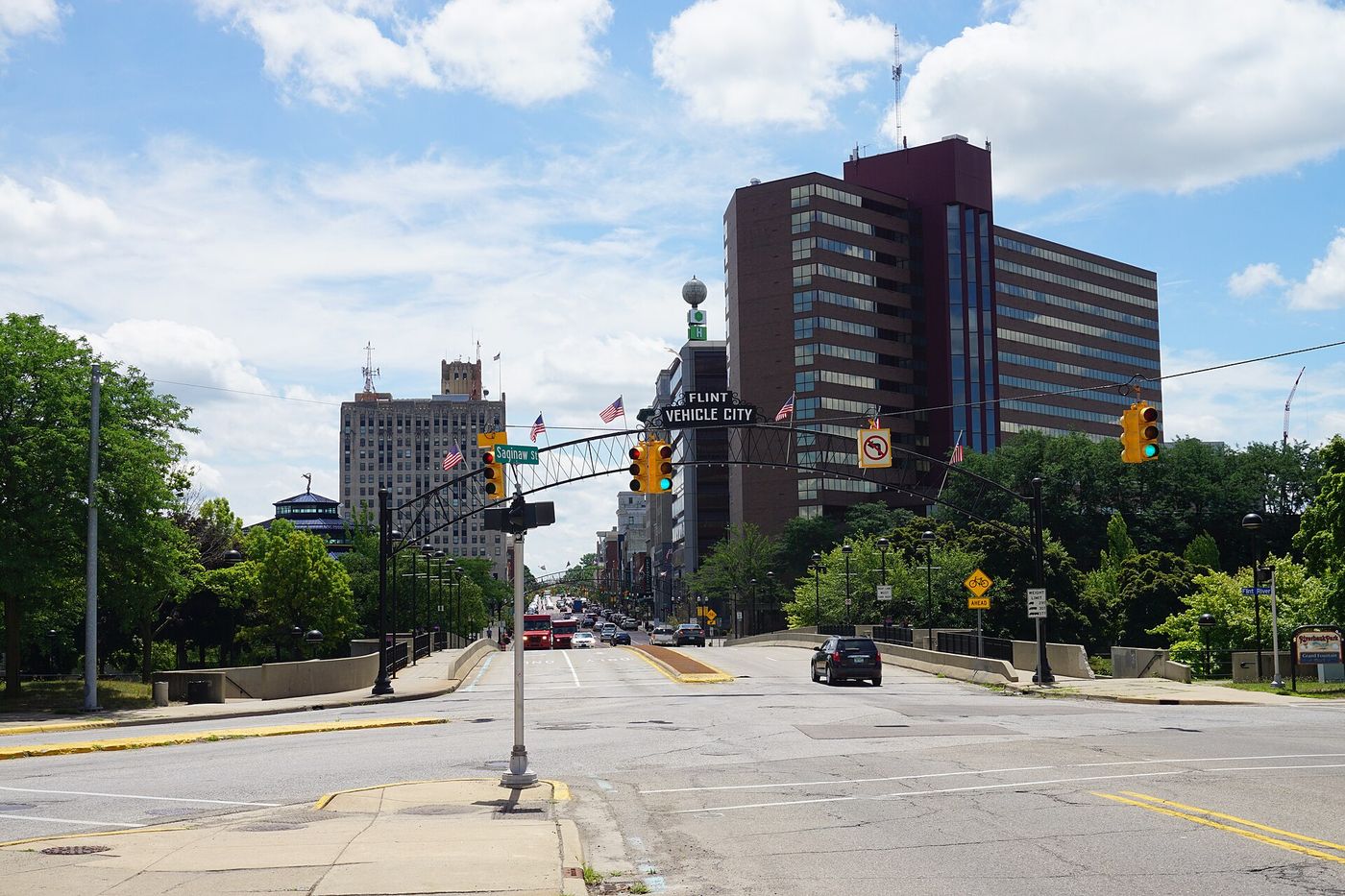
Photo: Michael Barera / CC BY-SA 4.0 via Wikimedia Commons
Babies in Flint, Michigan, are surviving their first weeks of life at a noticeably higher rate since a cash-payment program began, according to a new study in *JAMA Pediatrics* led by Mona Hanna of Michigan State University.
What the study found
Rx Kids gives families $1,500 during pregnancy and $500 a month during a baby's first year. Researchers compared Flint with the rest of Michigan using statewide birth and death records from 2021 through 2025.
- Neonatal mortality (death within 28 days) in Flint fell 50 percent, from 10.2 to 5.1 per 1,000 live births. Elsewhere in Michigan it went from 4.0 to 3.9.
- Early neonatal mortality (within 7 days) fell 74 percent, from 7.9 to 2.0 per 1,000.
- The gap between Flint and the state average was no longer statistically significant.
An earlier study in *The Lancet Public Health* had estimated fewer preterm births, low-birth-weight births and NICU admissions in Flint after the program launched.
"This is the outcome that matters most: our babies surviving," said Hanna, who directs Rx Kids.
Honest context
This is an observational study with only one year of data after launch, and the authors call the results early findings. It cannot prove that the payments caused the improvement, and it is not yet known whether the gains will last or repeat in other communities. The team plans to follow more years and more places and to study how the payments might work.
Even so, the size of the change in a city long associated with hardship has drawn attention. University of Michigan health economist Sumit Agarwal described the drop as what you would expect given improved rates of healthy births.