Sandwich Terns Return to Pagham Harbour: From Zero to 756 Breeding Pairs in Three Years After Bird Flu
A colony abandoned during the 2022 avian flu outbreak is now one of the largest in England, thanks to new nesting islands and predator-proof fencing.
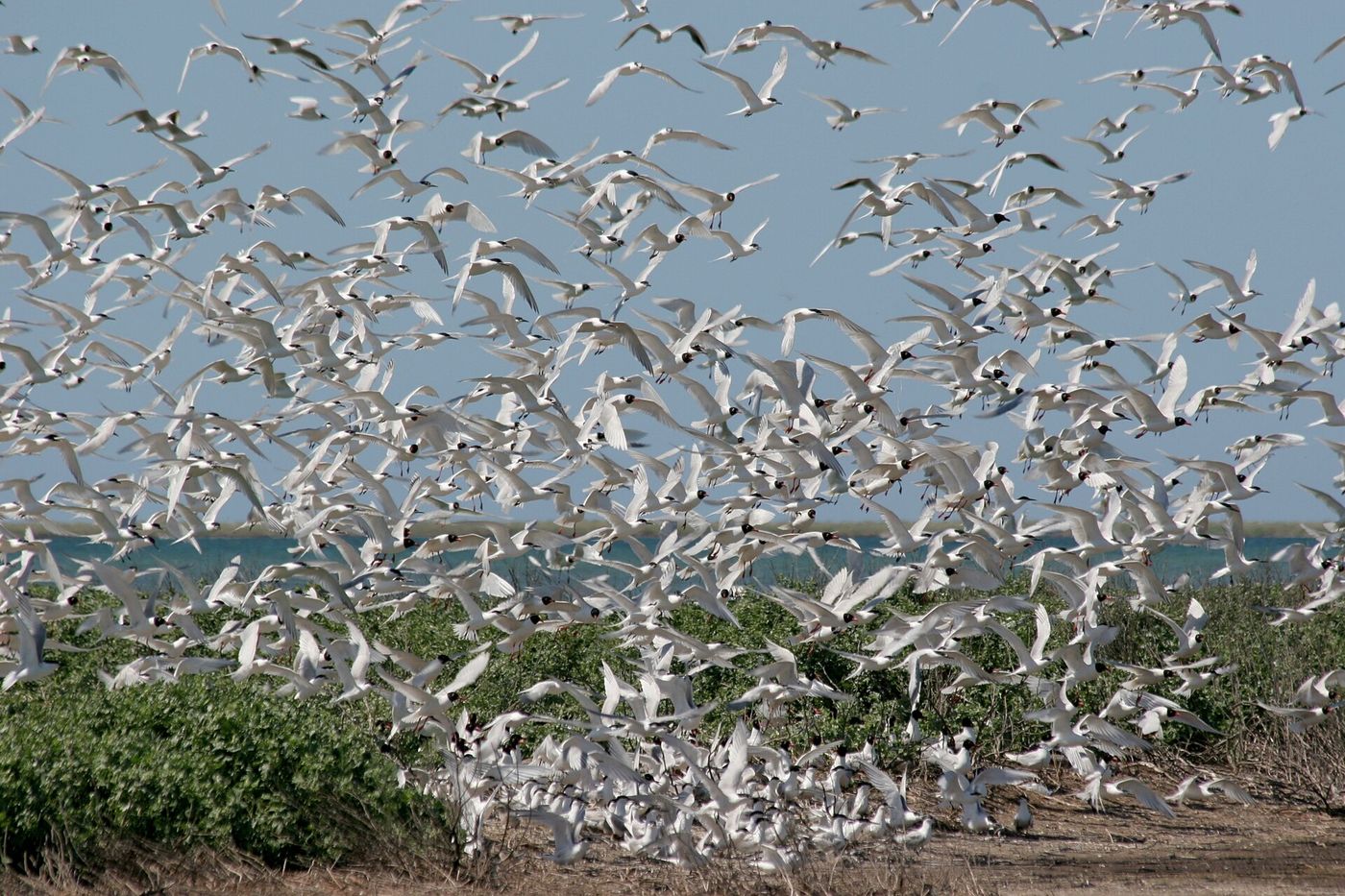
Photo: Yu Moskalenko / CC BY-SA 4.0 via Wikimedia Commons
A seabird colony wiped out by bird flu on England's south coast has come back strongly. At RSPB Pagham Harbour in West Sussex, at least 756 pairs of Sandwich terns bred in 2026, according to reports based on figures from the RSPB, compared with none after the colony was abandoned during the 2022 avian influenza outbreak.
What happened
Highly pathogenic avian influenza hit seabirds hard in 2022, and the Pagham colony was deserted. Over the following years, RSPB staff and volunteers worked to make the site safe and attractive for ground-nesting birds. ITV Meridian reported that 570 fledglings were recorded this year.
RSPB senior project manager Wez Smith said new islands were created within the saline lagoon at Ferry Pool to give the birds places to nest. Predator-exclusion fencing was also installed to keep out rats and other mammals that raid ground nests.
The wider picture
Pagham is part of a wider RSPB effort to maintain nesting islands across the harbours of the Solent. The same work has seen gains in black-headed gulls and little terns.
- 756: breeding pairs of Sandwich terns at Pagham in 2026
- 570: fledglings recorded this year (ITV Meridian)
- Three years: the time the colony took to go from empty to this size
Context
The recovery is welcome, but it is not the whole story. The RSPB has linked national declines of 35% in Sandwich terns and 42% in common terns largely to bird flu, and it is not yet clear how long any immunity developing in some seabirds will last. Local habitat work can give birds a chance to rebuild, but the disease remains a threat to colonial seabirds.