An Azores Island Switches Off Its Street Lights So Baby Seabirds Can Find the Sea
Corvo's lights-out nights help young Cory's shearwaters reach the ocean, and every resident surveyed backed the blackout.
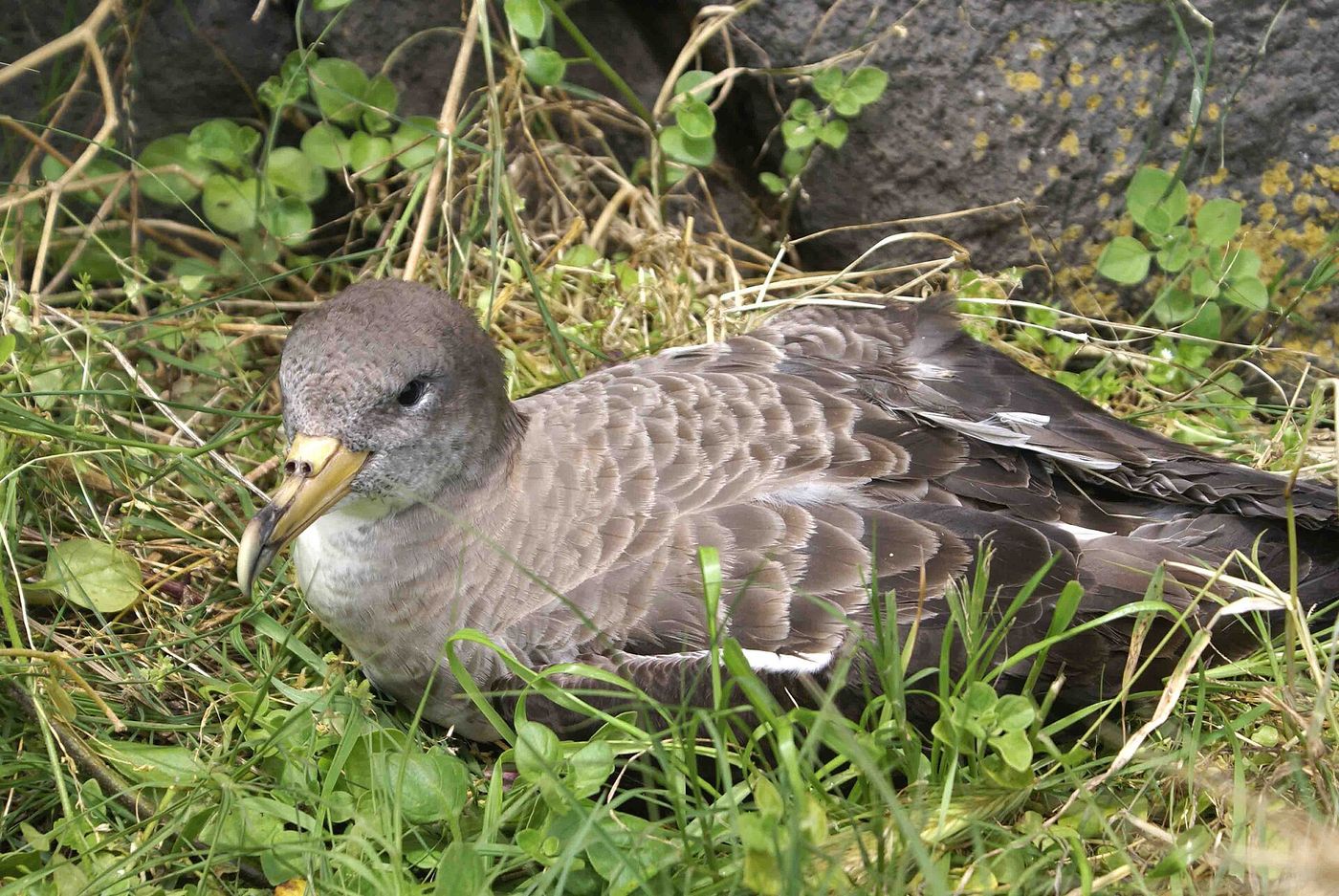
Photo: José Luís Ávila Silveira/Pedro Noronha e Costa / Public domain via Wikimedia Commons
Each autumn, the small island of Corvo in Portugal's Azores goes dark on purpose. For several nights at the end of October, the municipality turns off public lighting so young Cory's shearwaters, seabirds that take their first flight at night, are not lured off course by town lights.
Why the dark matters
Cory's shearwater fledglings leave their nests after dark and head for the sea. Bright lights can disorient them, and they end up grounded on streets and in yards. The Azores hold a large share of the world's breeding population of the species, and grounded birds are also found in Madeira and the Canary Islands.
How the island responds
The campaign is run by SPEA, the Portuguese Society for the Study of Birds, together with the local municipality, Câmara Municipal do Corvo. According to SPEA, the municipality has switched off public lighting during the most critical periods since 2017. Volunteers also collect grounded birds, often in cardboard boxes, and release them toward the sea.
- Corvo has just over 400 residents
- A SPEA survey of 207 islanders found unanimous support for the blackout
- Good News Network, citing a Guardian report, says more than 30,000 shearwater fledglings have been rescued across the Azores since 2015
- The effort is tied to two European Interreg projects, LuMinAves on light pollution and seabirds, and EElabs on sustainable outdoor lighting
Spreading the idea
SPEA also organized a lights-out on Madeira in late October, aimed at helping young shearwaters reach the water and encouraging people and institutions to cut unnecessary outdoor lighting. SPEA says it hopes other towns and islands in the region will follow Corvo's example, and its rescue campaigns continue until November 5.
Reports differ slightly on how many nights the blackout lasts, so the exact schedule may vary by year. What is clear is the simple idea at the heart of it: sometimes the most effective conservation tool is a light switch.