Samoa's Nu'utele Island Bounces Back a Year After Invasive Rats and Pigs Were Removed
Native seedlings carpet the forest floor, ground doves are nesting, and turtles have returned, Island Conservation reports.
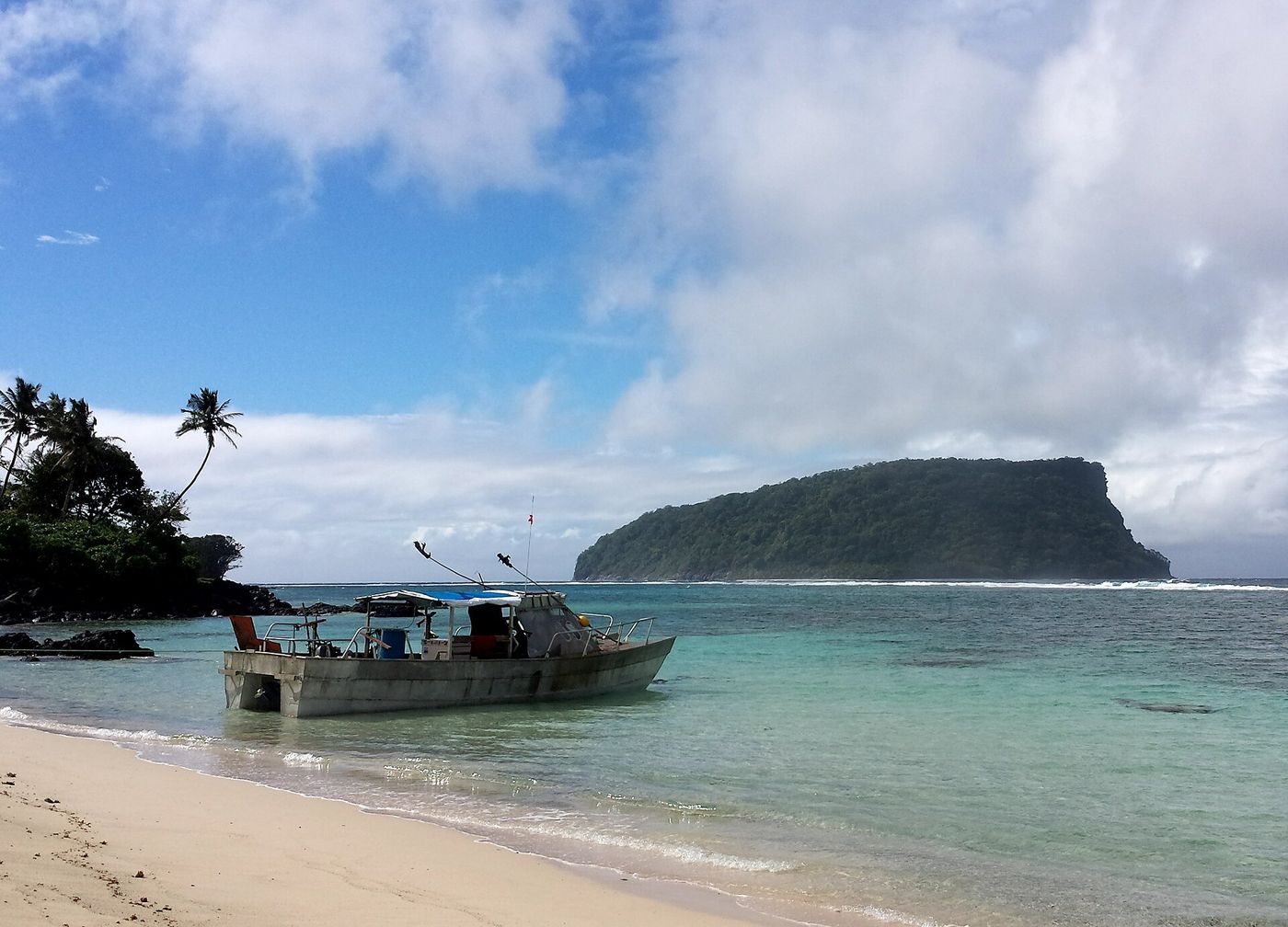
Photo: Rickard Törnblad / CC BY-SA 4.0 via Wikimedia Commons
On Nu'utele, a small forested island off Samoa's Aleipata coast, nature is making a fast comeback. Island Conservation reported on October 20 early signs of ecological recovery about a year after invasive pigs and rats were removed, following field work from March 2025 to May 2026.
"Climate resilience starts with healthy ecosystems." — Paul Jacques, Island Conservation
What is coming back
Nu'utele is a Key Biodiversity Area that sits within a marine protected area. The project team, which made 12 expeditions and spent more than 130 days on the island, recorded:
- Native seedlings growing across the forest floor, including knee-high plants where regrowth had been held back
- Shy ground doves, a species whose largest remaining Samoan population lives here, with several active nests with eggs found in bird's-nest ferns about a month after removal
- A Samoan starling nest, plus breeding activity by the Samoan flycatcher and Samoan whistler
- Sea turtles nesting again after decades, and returning insects
- A land crab species not previously recorded on the island
People and partners
Samoa's Ministry of Natural Resources and Environment led the restoration, with technical expertise from Island Conservation, regional support from the Secretariat of the Pacific Regional Environment Programme's PRISMSS programme, and local landowners and community members from Aleipata. Island Conservation says a local family can now grow crops such as taro, bananas, pineapples and papayas that were previously hard to raise.
"Nu'utele shows what's possible when communities, governments, and conservation partners work together." — David Moverley, SPREP
What's next
The group plans to move the threatened Mao, a native forest bird, to the island as part of a 2026 to 2032 restoration project. The findings are early results reported by the organization rather than a peer-reviewed study, and long-term monitoring will show how lasting the recovery is.
Invasive mammals are among the biggest drivers of extinction on islands, which is why removals like this one are closely watched by conservationists across the Pacific.