Six Calves Born This Year Lift Cambodia's Rare Mekong Irrawaddy Dolphins to 118
River guards, fishing-net bans and community partnerships are credited with a slow comeback, though dams and illegal fishing remain threats.
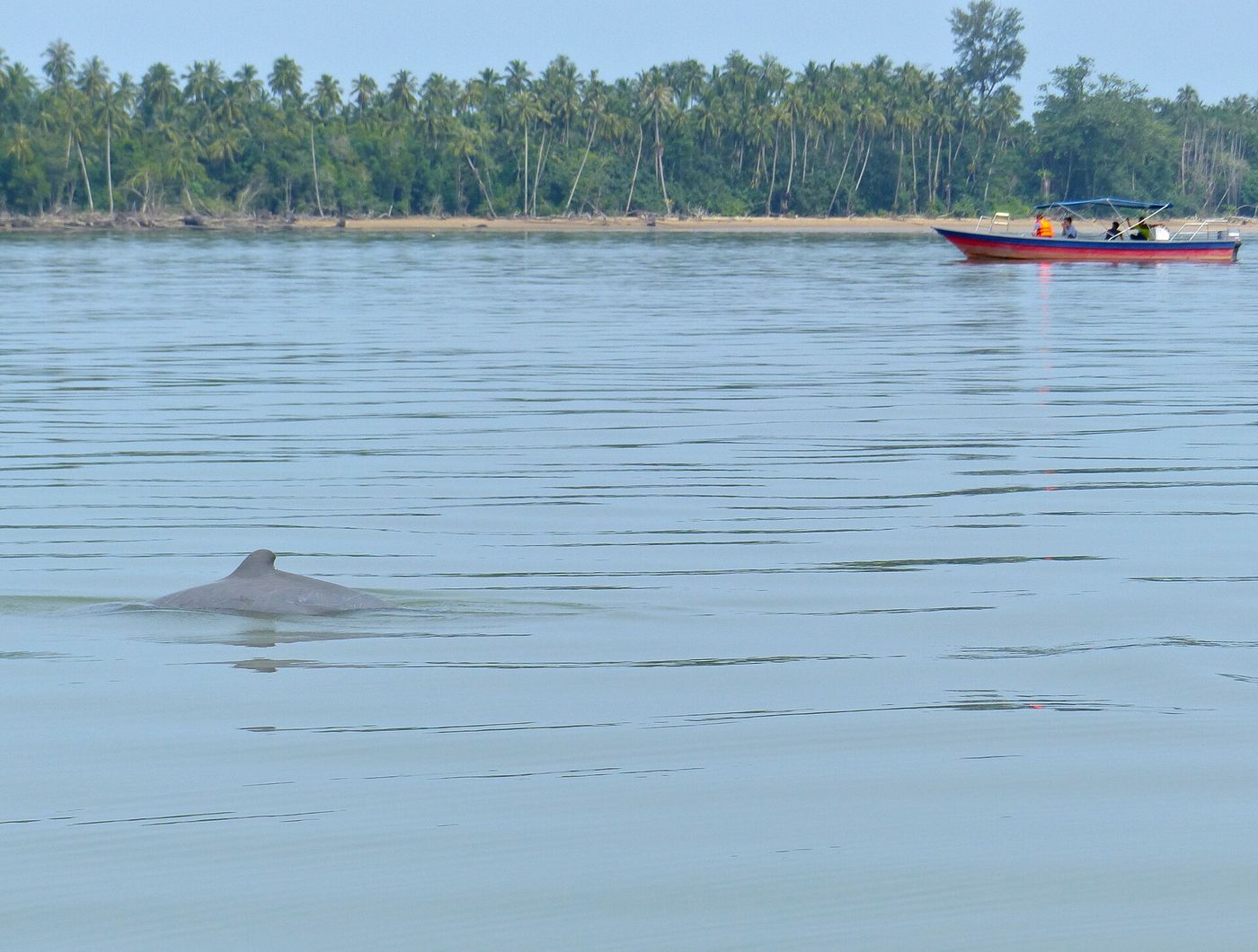
Photo: Bernard DUPONT from FRANCE / CC BY-SA 2.0 via Wikimedia Commons
Conservationists have confirmed at least six Irrawaddy dolphin calves born in 2026 along the Mekong River in Cambodia, raising the estimated population of this critically endangered species to 118, Mongabay reported. Five calves were in Kratie province and one in Stung Treng.
A slow recovery
- The population was estimated at about 200 in the late 1990s and fell to a little over 100 before the recent rise.
- Gillnets, a leading threat, are banned in protected core habitat along a 180-kilometre stretch of river in Kratie and Stung Treng, a zone established in 2012.
- The Fisheries Administration runs the conservation work with financial and technical support from WWF-Cambodia and other partners, which launched a joint livelihoods initiative in 2014.
- River guards patrol the protected zones; in 2012 the fisheries department employed 72.
Local officials credit the teamwork. The head of the Kampi fisheries office, I Sanaroth, said the population has increased because of joint conservation efforts.
Why it matters
The dolphins are valued by Mekong communities and bring tourism income to riverside villages. A boat driver, Heang Koeurn, told Mongabay the animals are "very important for our community."
What's still hard
The story is hopeful but cautious. Patroller Veang Tino said law enforcement lacks the full capacity to address the pressures on the river. The Mekong has more than 160 operational dams, and upstream populations have suffered: the last Irrawaddy dolphin at Anlong Chheu Teal, in Laos, was reported dead in 2022. Gains in Cambodia depend on keeping the nets out of the water and the river healthy.