Honey Bee Hives Have a Built-In "Chemical Floor Plan" for Disease Defense, Sydney Study Finds
Honey, propolis and pollen each protect the colony in different ways, and nearby flowers shape how strong the defenses are.
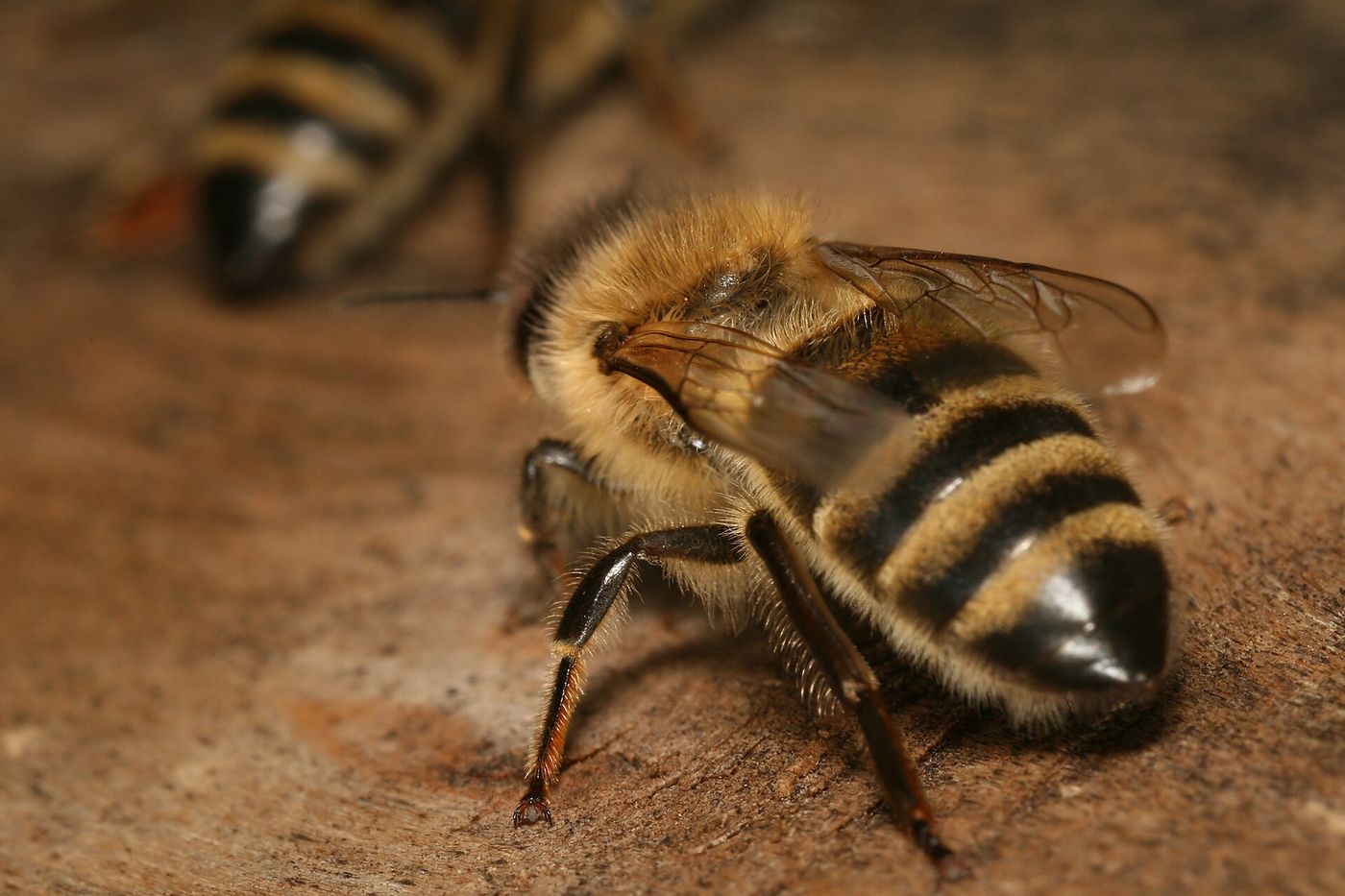
A honey bee colony protects itself with a map of chemical defenses built into the hive, according to a study by University of Sydney researchers published in ISME Communications.
The team, led by Kenya Fernandes with Aviva Levina, Elizabeth Frost and Dee Carter, sampled 24 colonies from five apiaries in New South Wales, Australia. They collected honey, propolis, pollen, wax and bees, then combined DNA sequencing of microbes, lab tests of antimicrobial activity and chemical analysis.
What they found
Healthy hives are not sterile. Instead, antimicrobial activity changes across hive compartments and tracks shifts in the microbes living there, with the clearest pattern for bacteria and hive-linked pathogens.
- Honey: relies heavily on hydrogen peroxide
- Propolis and wax: rely on flavonoids
- Pollen: protected by short-chain acids, similar to fermented foods
In an article for The Conversation, Fernandes wrote that "the hive has a chemical floor plan for disease defense."
Why it matters
Activity also varied by apiary location, and in the author's account the apiary was a stronger predictor of potency than a hive's disease history. Because bees forage only a few kilometers from home, she suggests local plant diversity may shape the chemistry, which points to the value of flowering habitat near colonies.
Context
This is a study of European honey bees in one Australian region, and it describes patterns rather than a treatment. Fernandes suggests similar landscape-linked defenses may exist in ants, termites and stingless bees, but that remains to be tested.