Googly-Eyed Buoys and Bird-of-Prey Kites Cut Seabird Bycatch in Cornish Fishing Nets
A field trial with 10 Cornish fishers found kites lowered the odds of catching guillemots and razorbills by 71%, and eye-shaped buoys by 59%.
Photo: Roger Culos / CC BY-SA 4.0 via Wikimedia Commons
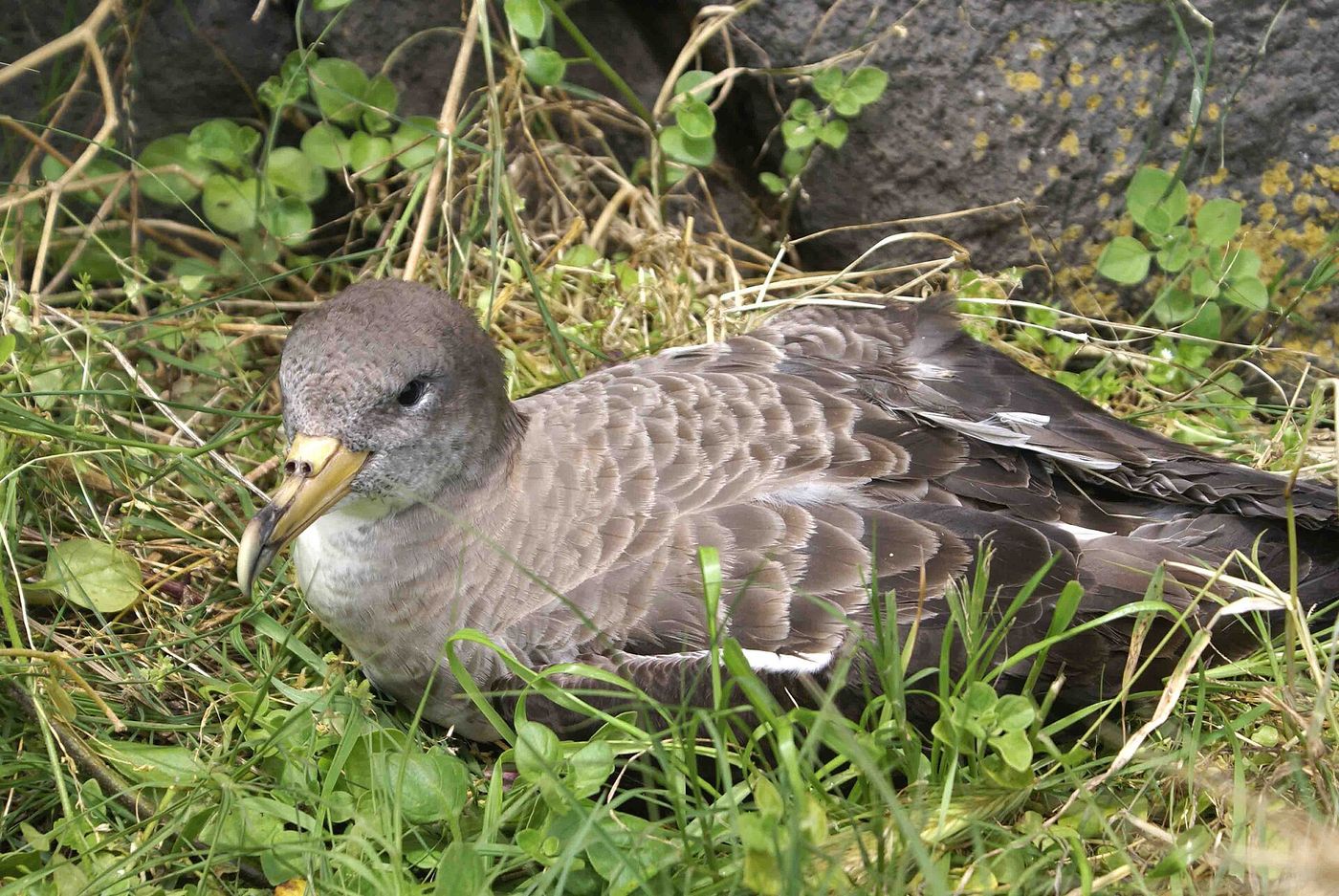
Two low-cost deterrents, a kite shaped like a bird of prey and a buoy painted with large staring eyes, sharply reduced the number of seabirds tangled in fishing nets off Cornwall, England, according to a study published in *Conservation Letters*.
The research, led by Tom Horton of the University of Exeter with colleagues from the RSPB and Fishtek Marine, worked with 10 Cornish fishers between October 2023 and March 2025.
What the trial found
Fishers set 1,057 gillnets, about 129 kilometres in total, in paired setups with and without a deterrent.
- Kites: 71% lower odds of catching auks, the group that includes guillemots and razorbills
- Eye buoys: 59% lower odds of catching auks
- Range: kites worked best within 30 metres of the net, while buoys were moderately effective over a wider area
"Bycatch is not an inevitable consequence of fishing." — Tom Horton
Why it matters
Gillnets are hard to make safer for wildlife. A 2024 review cited in the coverage estimated that gillnets in the Baltic and Northeast Atlantic kill more than 95,000 seabirds a year. The Cornwall nets caught 153 birds, 25 seals and 13 cetaceans over the trial, with bycatch peaking in January and February.
Because the study showed when and where risk was highest, Tom Hooper of Fishtek Marine said deterrent efforts "can be directed and efficient."
Honest caveats
- Seal numbers were not clearly improved: 15 were caught in nets with buoys, 6 in control nets and 4 in kite nets, so the authors say more testing is needed
- Earlier trials of eye buoys elsewhere, including an Iceland lumpfish fishery, did not cut bycatch, and a Danish study found the effect on cormorants and gulls faded after about a month
- Three authors work for Fishtek Marine, which makes the buoys. The UK's Defra funded most of the work, with the rest from Equinor
The results suggest a practical tool for fishers who want to protect seabirds without giving up their catch, and the researchers point to further testing as the next step.