Scientists Describe Five New Freshwater Mussel Species in the Southern U.S.
A two-decade effort of river surveys and DNA work reveals hidden diversity in one of North America's most threatened animal groups.
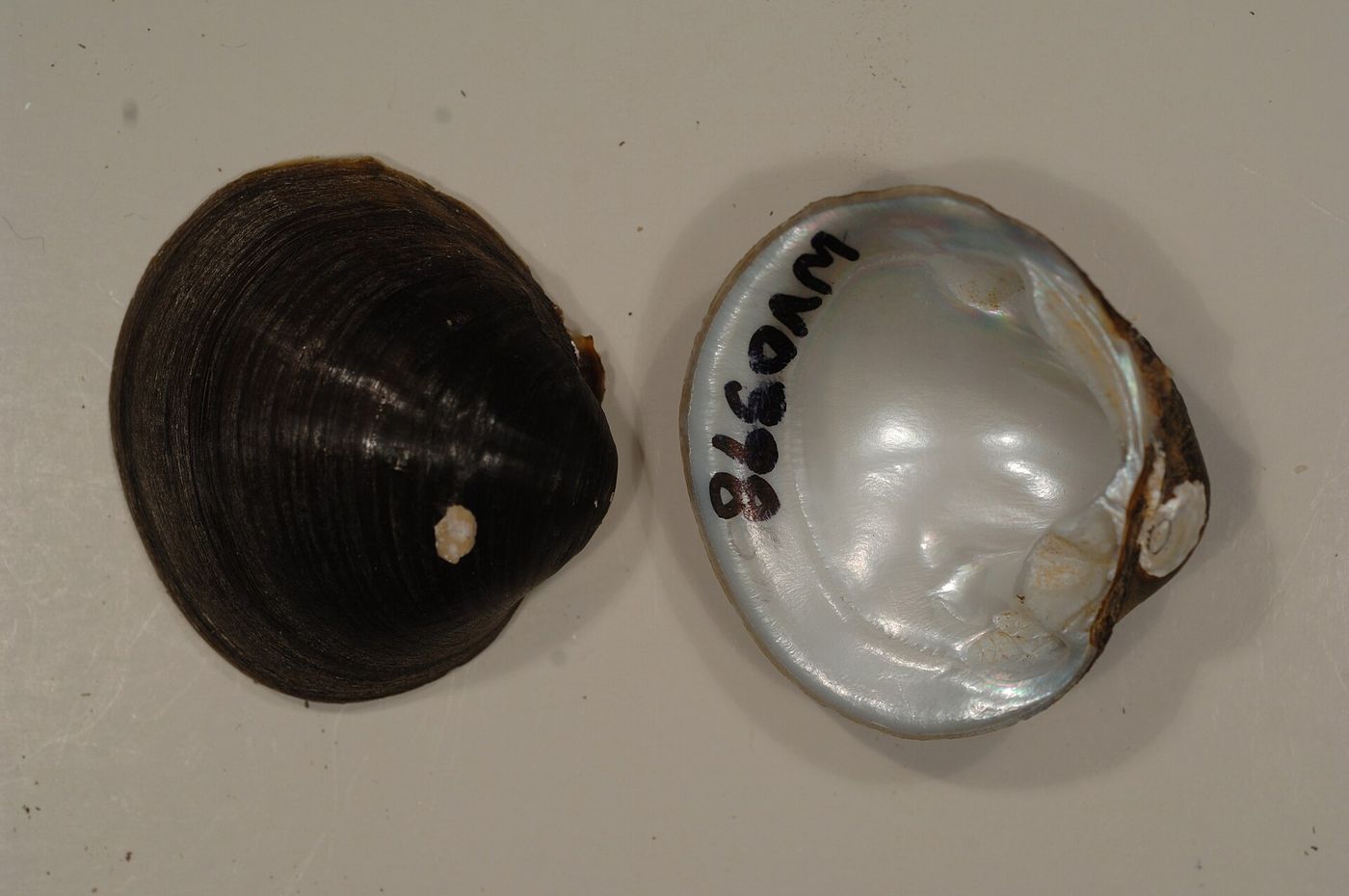
Photo: Patterson, Matthew/USFWS / Public domain via Wikimedia Commons
Researchers have formally described five previously unrecognized species of freshwater mussel in the southern United States, in a taxonomic revision published in the journal *Zootaxa* on 23 September 2026. The paper was written by Kentaro Inoue, John L. Harris and Nathan Johnson.
What they found
The team revised the mussel genus *Obovaria* across the Gulf Coastal Plain and neighboring river systems, combining shell shape, geography and molecular evidence. Mussels can look very alike, and past misidentifications had hidden real differences between populations. The five new species, each tied to a particular river region, are:
- *Obovaria sipseyensis* — Tombigbee River basin (Alabama and Mississippi)
- *Obovaria neeskaensis* — White River basin (Arkansas and Missouri)
- *Obovaria pinetorum* — west Gulf Coast drainages (Louisiana and Texas)
- *Obovaria tallahattae* — lower Mississippi River tributaries (Mississippi)
- *Obovaria lumbo* — Lake Pontchartrain, Pascagoula and Pearl River basins (Louisiana and Mississippi)
Press coverage reported that the fieldwork spanned about 20 years of wading and snorkeling in rivers and streams, with genetic samples taken from mussel beds.
Why it matters
Freshwater mussels filter water and are among the most imperiled animals in North America. The authors say the results reveal previously unrecognized endemism and hidden diversity, and that some of the species are rare and limited to small areas, so conservation plans will need to be tailored to individual river basins.
"Identifying new species is the foundation of biodiversity conservation," Inoue said, according to Good Good Good.
Context
Naming a species does not by itself protect it, and the new species do not yet have conservation assessments of their own. But protection starts with knowing what exists, and this work gives wildlife agencies a clearer map of what is living in these rivers.