China's First Five National Parks Mark Five Years as Wild Tigers Climb From 27 to 72
Amur leopards, Hainan gibbons and Tibetan antelope are also rising, according to the national forestry agency's progress report.
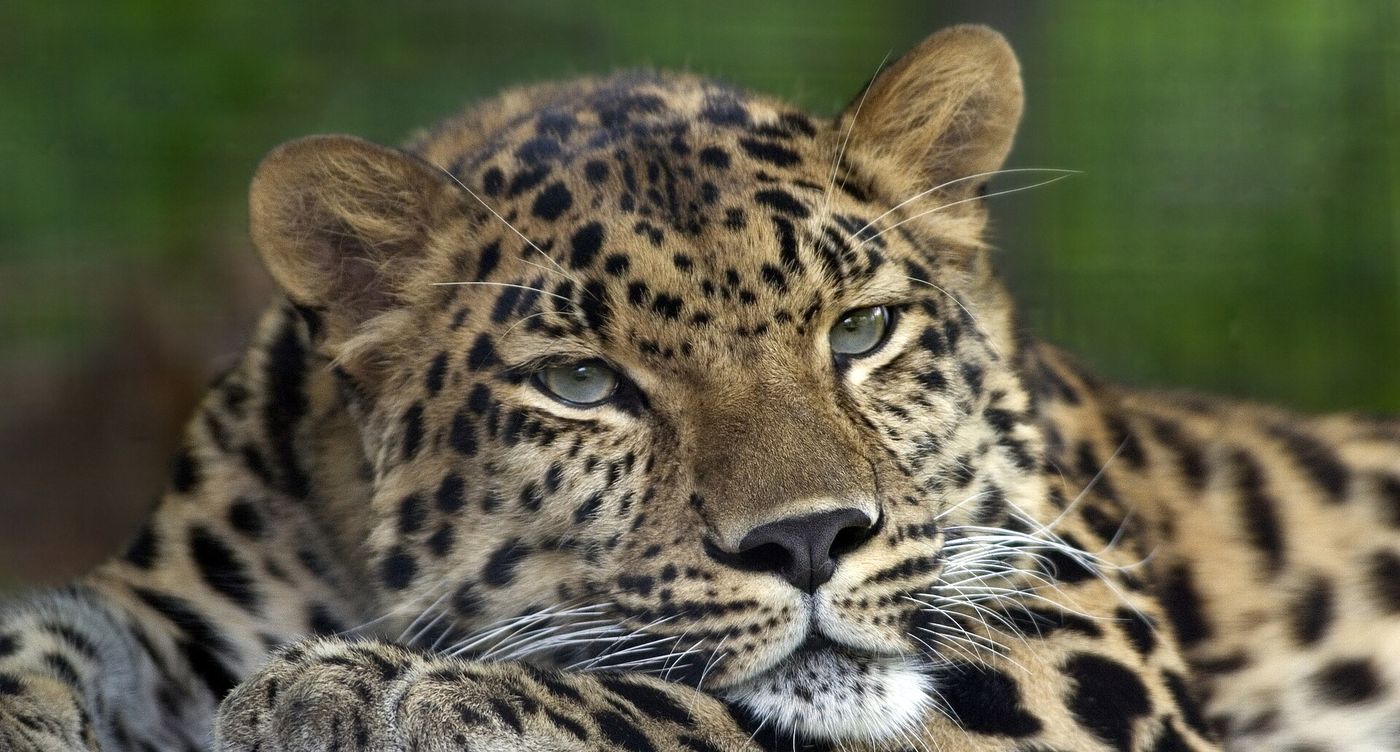
Photo: Colin Hines www.ColinHinesPhotography.com / CC BY 2.5 via Wikimedia Commons
Five years after China created its first national parks, wild Siberian tigers in the Northeast China Tiger and Leopard National Park have grown from 27 to 72, according to a progress report from the country's National Forestry and Grassland Administration, reported by China Daily.
The five parks were established on 12 October 2021: Sanjiangyuan, Giant Panda, Northeast China Tiger and Leopard, Hainan Tropical Rainforest and Wuyishan. Together they cover about 230,000 square kilometers and brought more than 120 existing protected areas under joint management.
The wildlife numbers
- Siberian tigers: wild population up from 27 to 72
- Amur leopards: up from 42 to 115
- Tibetan antelope (Sanjiangyuan): more than 70,000, up from fewer than 20,000 before the pilot program began in 2015
- Hainan gibbons: seven groups totaling 44 individuals, which the administration describes as the only gibbon population in the world still growing
In 2025 a tigress in the tiger and leopard park was recorded with five cubs. Park official Yu Hongxun noted that three cubs is common and four is already very rare.
Reconnecting habitat
In the Giant Panda National Park, 13 ecological corridors now link previously isolated panda populations. In the Sichuan section alone, about 22,670 hectares of habitat and 1,330 hectares of corridors have been restored. "Connecting habitat patches serves as an important bridge for promoting genetic exchange among giant pandas," said Yang Zhisong of the Sichuan Academy of Giant Panda.
People and what's next
Nearly 50,000 local residents work as ecological rangers, and the parks use satellites, drones, infrared cameras and AI to monitor wildlife and human disturbance. China has also passed its first law dedicated to national parks.
The figures come from the government's own report, so they are not independently audited. Under the 2026–2030 five-year plan, officials say they will add new parks, expand habitat restoration and corridors, and refine compensation policies for wildlife damage and park services.