Bleached Coral Recovered After Touching a Healthy Clone, Stanford Lab Study Finds
Early lab research shows bleached fragments regained their color in about seven weeks, though the method is not yet a reef-scale fix.
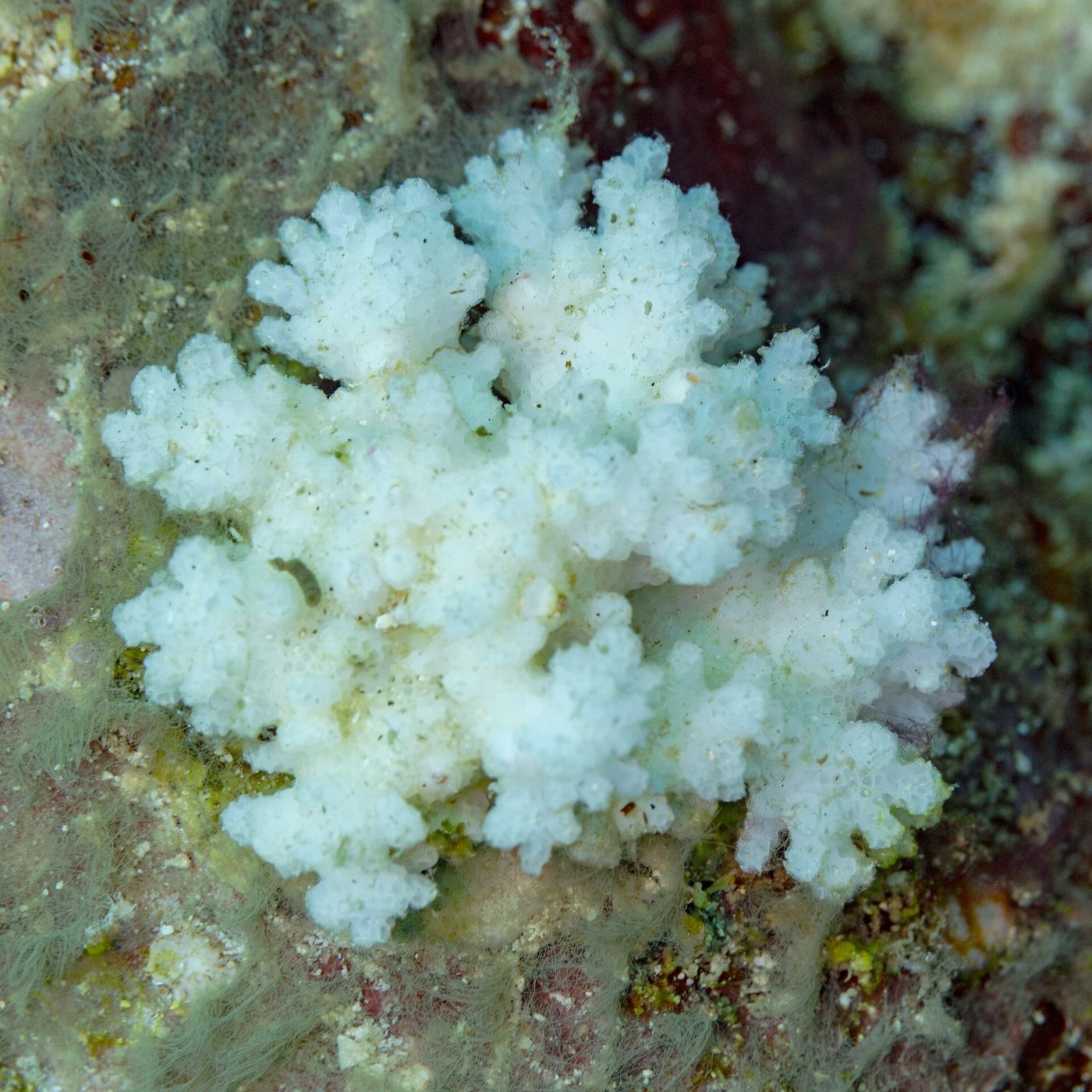
Photo: Diego Delso / CC BY-SA 4.0 via Wikimedia Commons
Stanford researchers have found that a bleached coral can recover when it touches a healthy, genetically identical neighbor, according to a study published in *Science Advances* and reported by KQED on 14 October 2026. It is early, laboratory-only research, but it is a hopeful finding for a problem often treated as a lost cause.
What happened
The discovery began by accident. Marine scientist Steve Palumbi noticed that a bleached piece and a healthy piece from the same colony, which had tipped over in a tank at Stanford's Hopkins Marine Station, were touching, and that color was returning where they met. Lead author Danny Collins, a PhD student, then tested the idea deliberately.
Coral bleaching happens when heat stress makes corals expel the algae living in their tissue, leaving them pale and starving. In the experiments:
- Bleached fragments placed in contact with a healthy clone regained their algae and recovered fully in about seven weeks.
- Color began returning within days.
- Contact needed to last only a short time; the fragments then recovered on their own.
The researchers think the clones' tissues fuse, opening a pathway that lets beneficial algae move across.
"It was so much faster and more intense than we ever expected," Collins said.
Why it matters
Bleaching events are among the biggest threats to reefs worldwide, and in the wild recovery can take years, with many corals never fully regaining their color. Showing that bleached coral can bounce back quickly, and explaining how, gives restoration scientists a new mechanism to build on.
The honest caveats
- The work used aquarium corals, not wild reefs.
- Growing healthy clones to press against bleached corals is not practical at reef scale.
- The team is now working on extracting algae, growing them in the lab and applying them to bleached corals directly, and plans field trials in Hawaii and Palau over the coming months to years.
For now, this is a promising clue about how corals heal, not a treatment ready to deploy.