Rainforest Trust Passes 70 Million Acres Protected, With a New 715,000-Acre Reserve in Bolivia
The conservation nonprofit says it added 10 million acres since February, including Agua Dulce along the Iténez River, home to jaguars and giant otters.
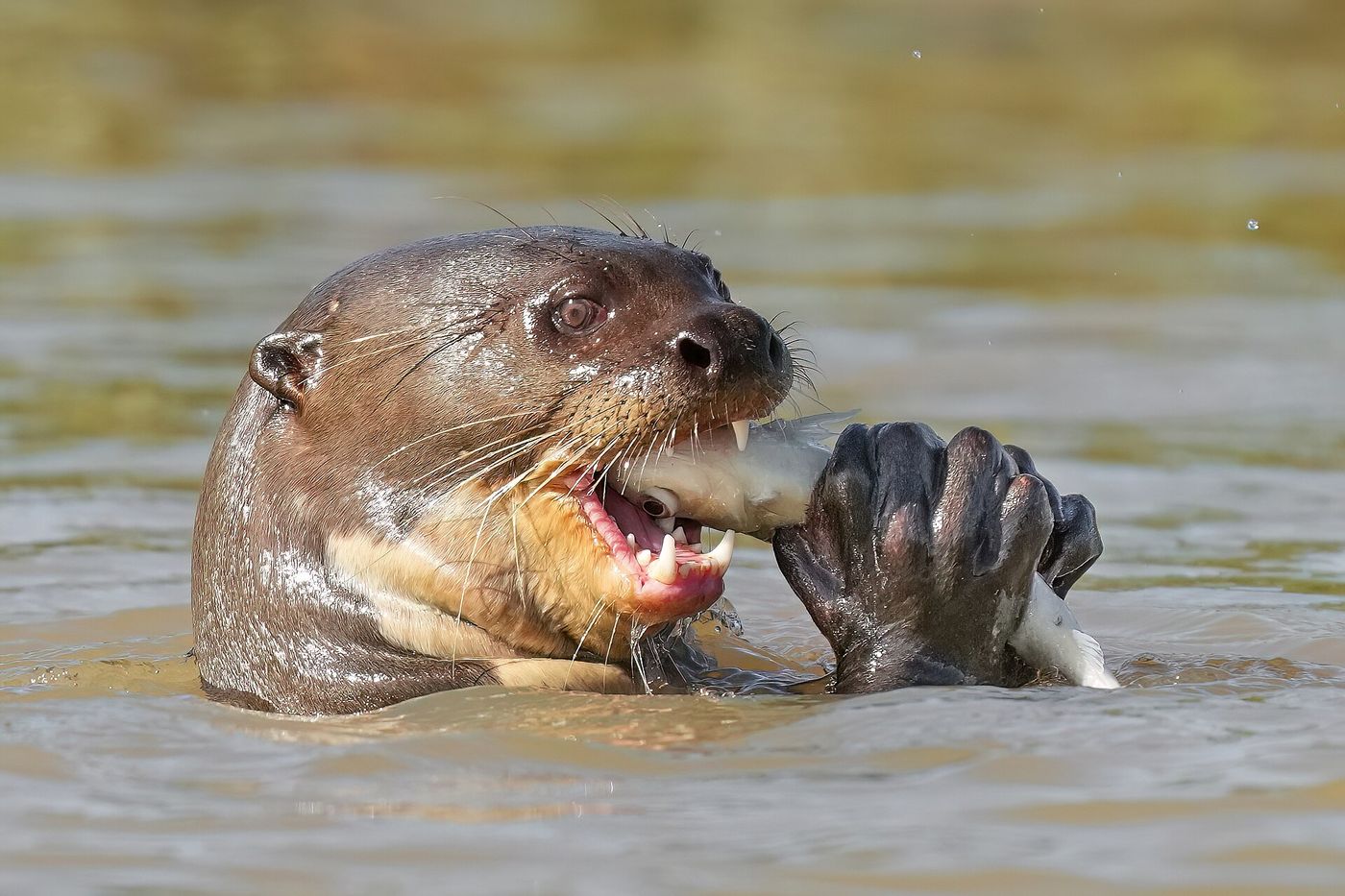
Photo: Giles Laurent / CC BY-SA 4.0 via Wikimedia Commons
Rainforest Trust, the U.S.-based conservation nonprofit founded in 1988, announced in early October that its work with local partners has now helped protect more than 70 million acres worldwide, an area about the size of Nevada. The group says 10 million of those acres were added since February 2026.
"Seventy million acres is a remarkable milestone, but it makes us more determined to go further and faster." — James Deutsch, CEO, Rainforest Trust
A new reserve on the Iténez River
Among the recent additions is the Agua Dulce Municipal Wildlife Reserve in Baures, Bolivia, covering nearly 715,000 acres along the Iténez River, known as the Guaporé in Brazil. It was created with the Bolivian organization Faunagua, which led the project and will help communities with its management.
- Habitats: 11 vegetation types, including forests, floodplains and pampas
- Wildlife: more than 70 mammal species, 489 bird species, 47 reptile and amphibian species and 55 fish species
- Notable animals: jaguars, Amazon River dolphins, giant otters, lowland tapirs and black caimans
The reserve is one of six contiguous conservation areas shared by Bolivia and Brazil along the river.
"Rainforest Trust provided crucial technical and financial support to foster local and municipal consensus." — Rosmery Ayala Lozada, Executive Director, Faunagua
Why it matters
Protected areas that connect with one another give wide-ranging animals room to move. Agua Dulce adds to that patchwork, and because it was designated through local legislation, it rests on agreement among nearby communities.
Context
Rainforest Trust's own release gives the timeframe for the latest 10 million acres as both seven and eight months. Its work is also part of a global goal to conserve 30% of the planet by 2030, a target still far from being met worldwide.