Indonesia Signals an End to Forest Clearing for Its Giant Food and Energy Estates
Officials say rice will no longer expand into forest areas and that future farming will use degraded land instead.
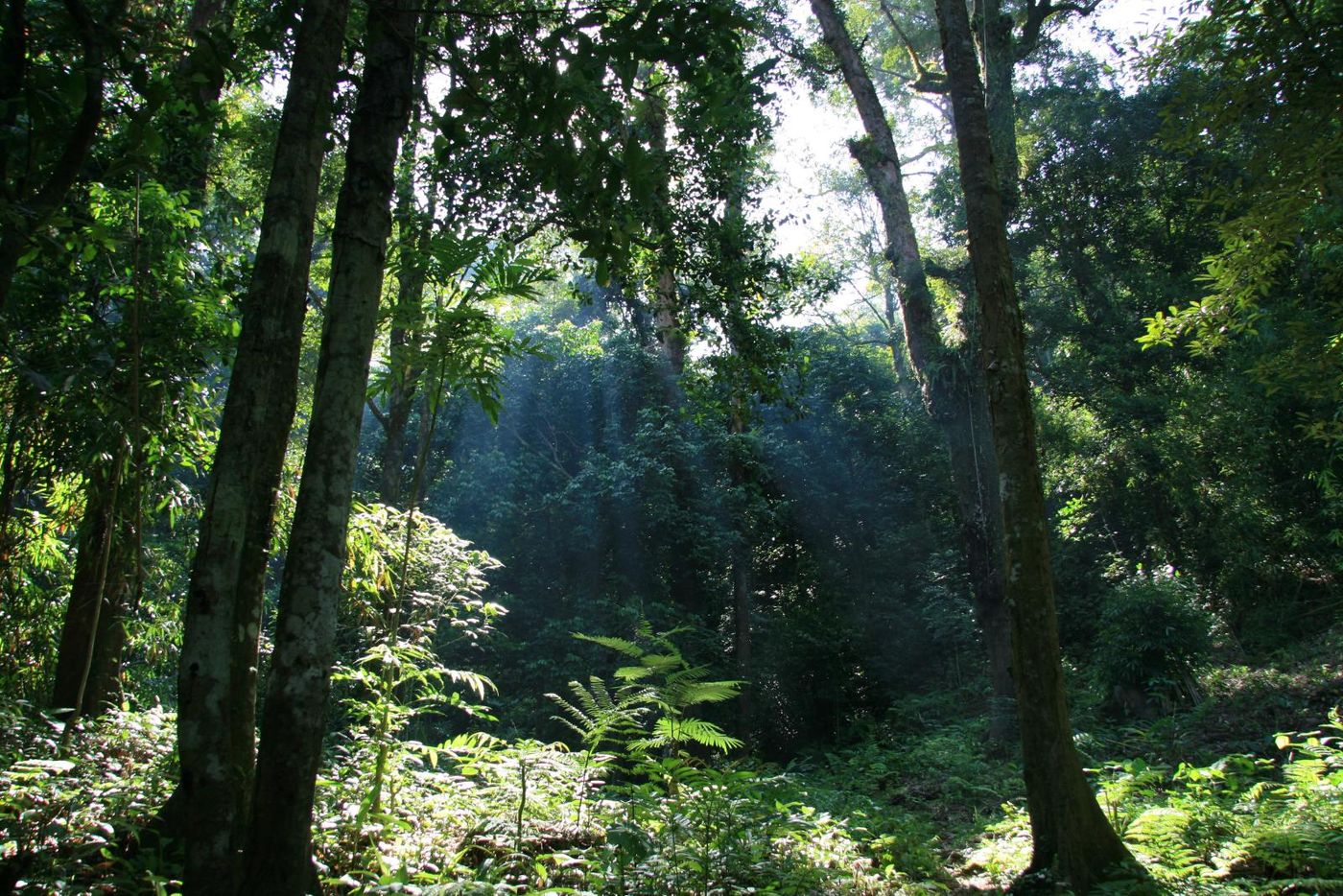
Photo: Tom from the Netherlands / CC BY-SA 2.0 via Wikimedia Commons
Indonesian officials announced in early October 2026 that the country no longer plans to clear forest for rice, a decision that could spare large parts of a sprawling land-conversion programme that conservation group Mighty Earth has called the world's largest deforestation project.
What was announced
The programme, known as the Food and Energy Estates, covers more than 4 million hectares of forest, peatland, savanna and other ecosystems across Papua, Kalimantan, Sulawesi and Sumatra, according to Mighty Earth.
Speaking at a forum, Hashim Djojohadikusumo, the president's special envoy for environment and climate change, said the government does not need to expand rice cultivation further into so-called forest areas, pointing to the country's rice self-sufficiency.
Mari Elka Pangestu, a special envoy for trade, said the 2 million hectares announced for food production are no longer needed and that future food and biofuel production will use degraded land.
- Land already cleared in Papua: more than 50,000 hectares, according to Mighty Earth
- Food-production land now described as unnecessary: 2 million hectares
- Degraded land cited as available: more than 12 million hectares
Why it matters
The Papua and Kalimantan landscapes hold some of the world's richest wildlife, including tree kangaroos and birds of paradise, and peatlands store large amounts of carbon. Mighty Earth CEO Glenn Hurowitz described the announcements as "a huge move" for progress.
Caveats
This is a statement of intent, not yet a binding policy. Mighty Earth notes that success depends on implementation and that the announcements do not set out concrete rule changes or a timeline. Local coalitions such as Solidaritas Merauke also question how "degraded land" will be defined, and are calling for the South Papua projects to be formally cancelled and for Indigenous rights to be respected.
For now, conservationists say the announcement opens a door: the next step is turning words into legal protection for the forests still standing.