Brazil's Senate Votes 75–1 to End the Six-Day Workweek
A constitutional amendment will cut the standard week from 44 to 40 hours and guarantee two paid rest days, without lowering pay.
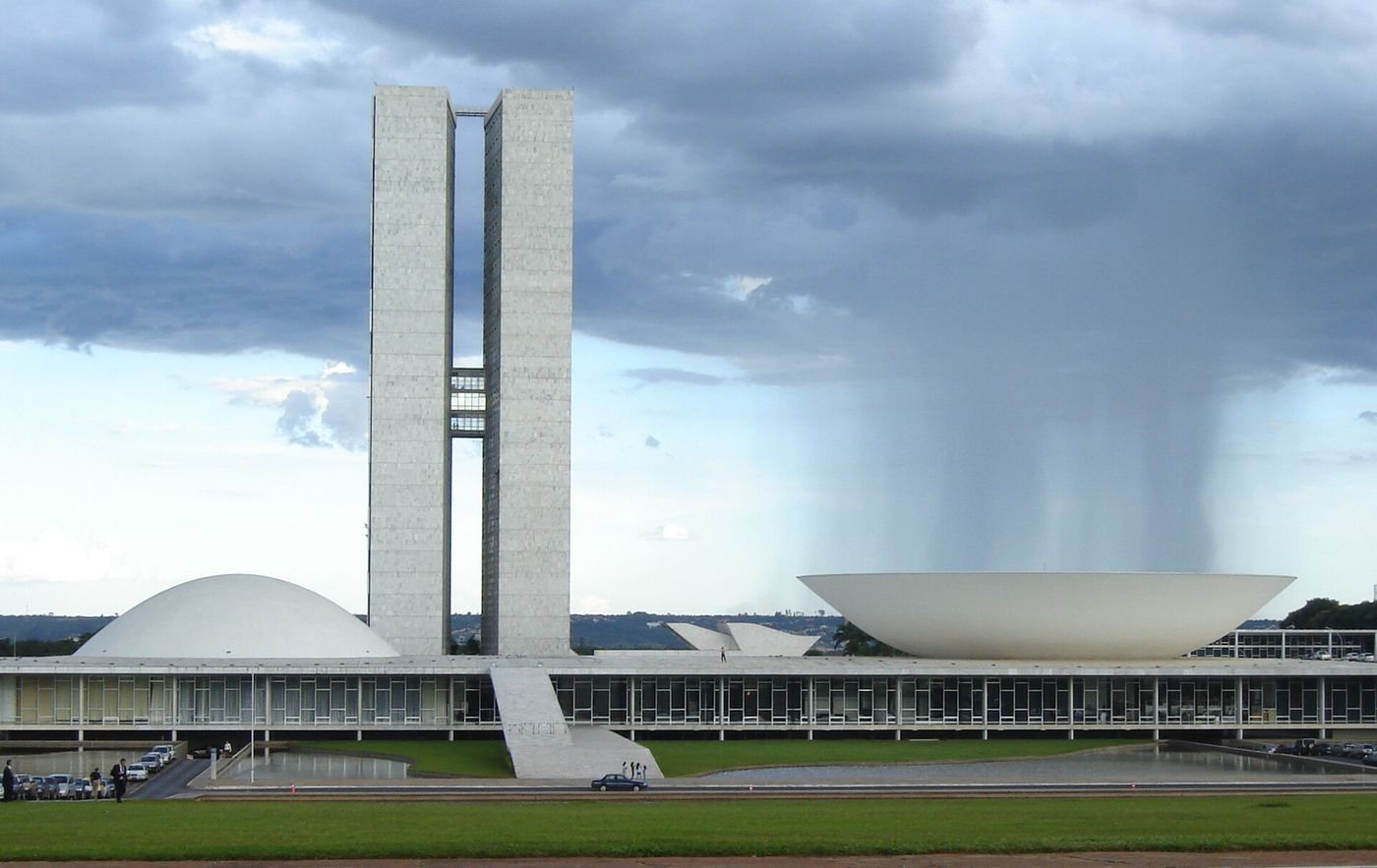
Photo: Eurico Zimbres / CC BY-SA 2.5 via Wikimedia Commons
Brazil's Senate voted 75 to 1 on 14 October to approve a constitutional amendment that ends the country's long-standing six-days-on, one-day-off "6x1" schedule, Courthouse News reported. The lower house passed the same text in May, so it moves to formal promulgation without needing a presidential signature.
What changes
- The standard workweek falls from 44 to 40 hours.
- Workers are guaranteed two paid days off a week, with one preferably on Sunday.
- Employers cannot cut salaries because of the shorter week.
- Sixty days after promulgation, the maximum drops to 42 hours; it reaches 40 hours roughly a year later.
- Collective bargaining agreements can set how rest days are arranged.
"One more day of rest means more time for family." — Davi Alcolumbre, Senate president
A long road
The proposal was introduced in 2019 by congressman Reginaldo Lopes. It gained public attention through the "Life Beyond Work" movement, led by Rick Azevedo, which spread widely on social media in 2023; Azevedo was elected to the lower house this month. The last constitutional cut in working hours, from 48 to 44, came in 1988.
Caveats
Labor-law professor Renata Queiroz Dutra warned that the bargaining provision could weaken the reform and that about 38% of workers are informal and not covered. Business groups, including the National Confederation of Commerce, argued a uniform limit could hurt small and labor-intensive firms. Economist José Dari Krein said shorter hours could boost spending on leisure and other sectors if incomes are preserved.
Even so, the lopsided vote, backed across the political divide days before the 25 October runoff, marks one of Brazil's biggest changes to working life in decades.