Brazil's Amazon Deforestation Falls to the Lowest Level on Record
Satellite data show clearing down about 42% in a year, the lowest since official monitoring began in 1988.
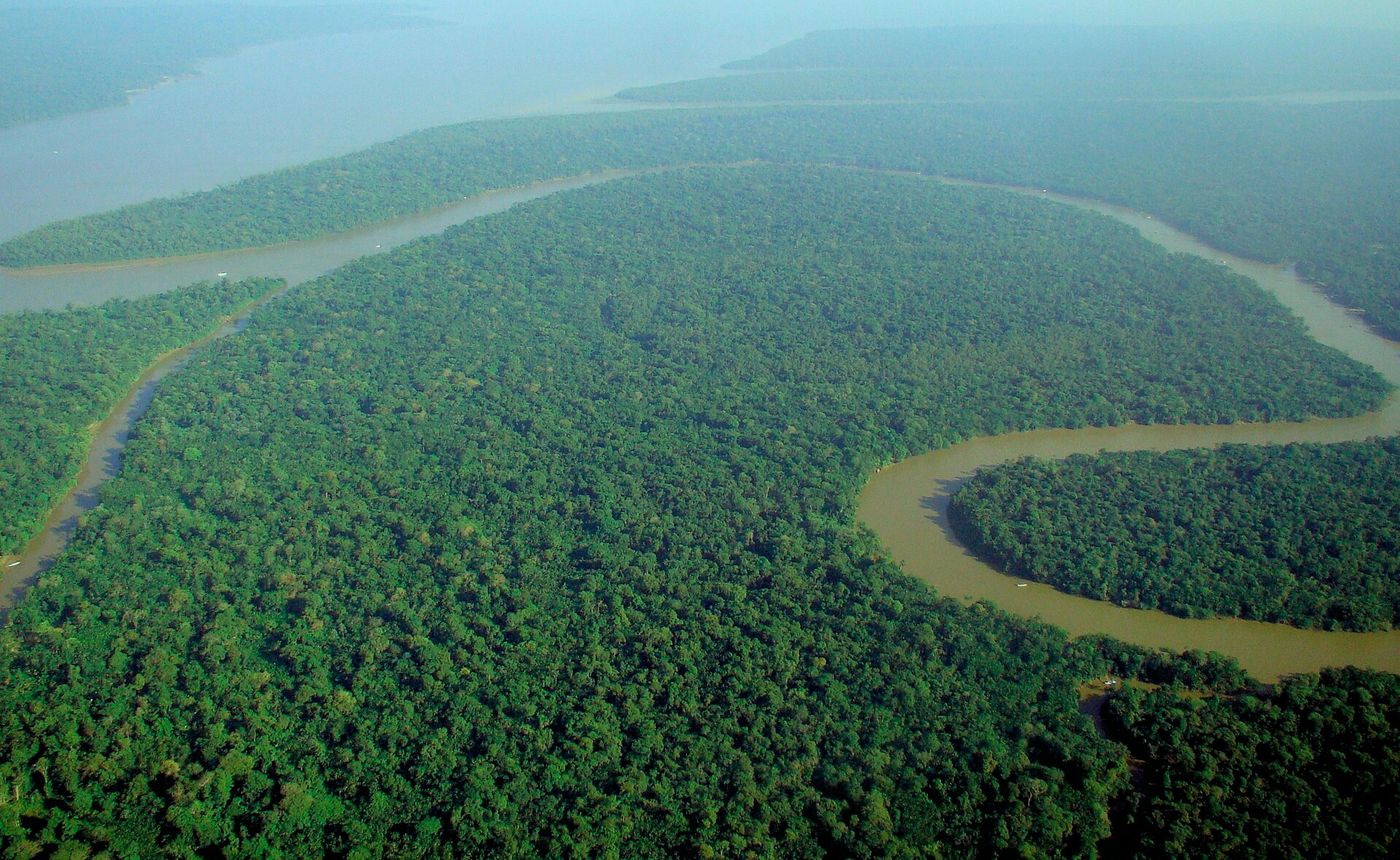
Photo: lubasi / CC BY-SA 2.0 via Wikimedia Commons
Brazil's official satellite count shows that deforestation in the Amazon over the 12 months to July 2026 was the lowest ever recorded. The figures, from the government's PRODES monitoring system, were released on October 16 and reported by Al Jazeera and other outlets.
The numbers
- 3,335 square kilometres of Amazon forest were cleared, about 42% less than the previous year.
- The previous record low was 4,571 square kilometres, set in 2011-12.
- Clearing has fallen every year since 2022 and is down 71.2% over four years.
- During the 2019-2022 term, clearing averaged about 11,600 square kilometres a year, and it peaked at nearly 30,000 in the mid-1990s.
- In the Cerrado savanna, clearing fell about 24% to 5,517 square kilometres, the lowest since records began in 2001.
Why it matters
The Amazon stores huge amounts of carbon and shelters a large share of the world's land species, so every year of slower clearing keeps both in place. Environment Minister Joao Paulo Capobianco called the drop "absolutely stratospheric." Marcio Astrini of the climate network Observatorio do Clima described the figures as "a historic achievement."
Reporting by AFP attributes the decline to greater monitoring and stiffer penalties for illegal logging. President Lula has said his goal is zero illegal deforestation by 2030.
Context
PRODES is the government's official annual measure, based on high-resolution satellite images. Brazil's separate rapid-alert system, which is used for enforcement, reported an even lower figure for the same period, but it is not the official rate.
The numbers are also politically charged. They were released days before a presidential run-off, and the candidates differ on how enforcement should work. The Cerrado, meanwhile, remains under heavy pressure even with this year's improvement.
Even at record lows, thousands of square kilometres of forest are still lost each year, so the work is far from over. But after decades in which the trend ran the other way, a fall of this size is the kind of result conservationists spent years hoping to see.