Chile's Atacama Desert Bursts Into Its Biggest Bloom Since 1997
Record winter rains woke seeds and bulbs that had lain dormant for years, and more than 200 plant species are now flowering.
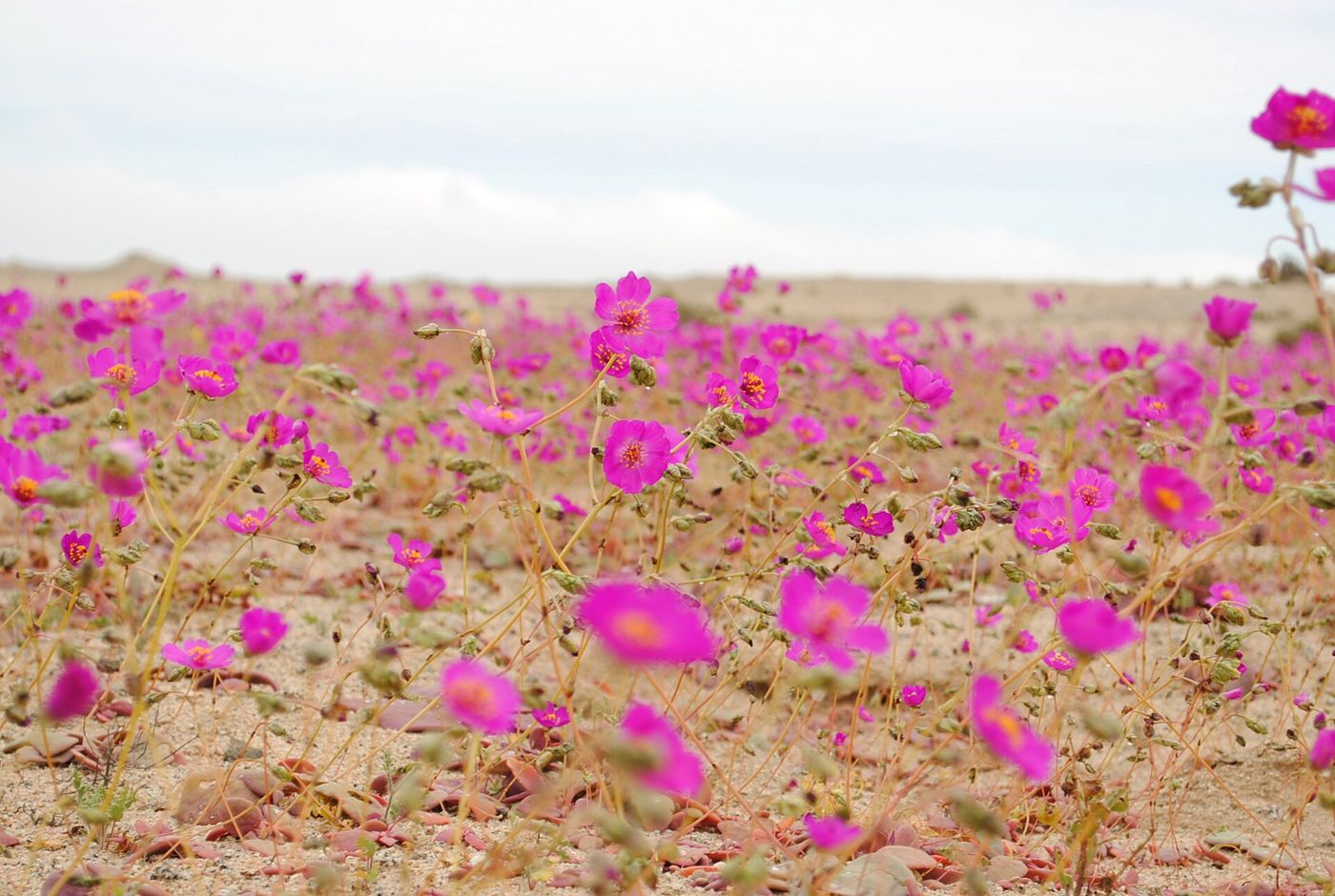
Photo: Joselyn Anfossi Mardones from Chiguayante, Chile. / CC BY 2.0 via Wikimedia Commons
One of the driest places on Earth is covered in flowers. Chile's Atacama Desert is in the middle of a "desierto florido," or flowering desert, which the country's forest service CONAF projects will be the most intense and widespread since 1997, the Associated Press reported on October 1.
What happened
Heavy rain from a "super El Niño" weather pattern fell on northern Chile between July and August, setting records in several regions, some of them the highest since measurements began in the 1950s. Some places received 160 to 190 millimeters (6 to 7 inches), a huge amount for the desert. The water woke seeds, bulbs and tubers that had waited underground, in some cases for decades.
- About 17,000 square kilometers (roughly 6,560 square miles) are estimated to be in bloom
- More than 200 plant species are flowering
- Named blooms include red and yellow ñañucas, purple rock purslane, white suspiros and orange terciopelos
"This desert germplasm can remain (dormant) for many years, even decades." — César Pizarro, CONAF Atacama
Pizarro said some hills had shown no greenery or flowers in 30 to 40 years.
Why it matters
Jorge Carabantes, who heads CONAF's protected areas department, called the event unusual and different from blooms elsewhere in the world. The rain also woke dormant invertebrate and reptile eggs, so the bloom supports far more than plants. The region expected nearly 300,000 overnight trips before the show ends in November, bringing visitors to a part of Chile that depends on tourism.
Context
The numbers are estimates and projections, not final counts, and the AP notes the same El Niño that fed the bloom is a climate event, not a lasting fix. Blooms like this are fleeting, so visitors are asked to stay on marked trails and leave plants and seeds alone.